The key difference is simple: pruning reduces risk and improves health, while removal eliminates a hazard or an unviable tree entirely. The sections below make that call clearer.
Is the tree dead or mostly dying?
If a tree is dead, a tree branch cutter service will usually recommend removal as the safest option because pruning cannot restore living tissue. Large dead branches, a bare canopy during the growing season, and brittle wood are all red flags that a tree branch cutter service looks for.
A declining tree can sometimes be rehabilitated, but once dieback is widespread, it becomes unpredictable. In that case, a tree branch cutter service can assess whether the tree has any recoverable structure left.
Are there major cracks, splits, or a compromised trunk?
Deep cracks, splitting bark, or a trunk that looks like it is separating are structural warnings, not cosmetic issues. Pruning may reduce weight, but it cannot repair a failing trunk.
If the defect is central to the tree’s load-bearing structure, removal is often the responsible choice. They should avoid “taking a bit off the top” as a substitute for a proper risk assessment.
Is the tree leaning more than it used to?
A tree that has recently started leaning, or is leaning more after storms or heavy rain, may be moving at the root plate. Pruning can reduce sail in the canopy, but it will not stabilise a tree that is already shifting.
If soil is lifting on one side, roots are exposed, or there are fresh gaps around the base, they should call a removalist quickly. These are common signs of imminent failure.
Has it suffered storm damage that changed its structure?
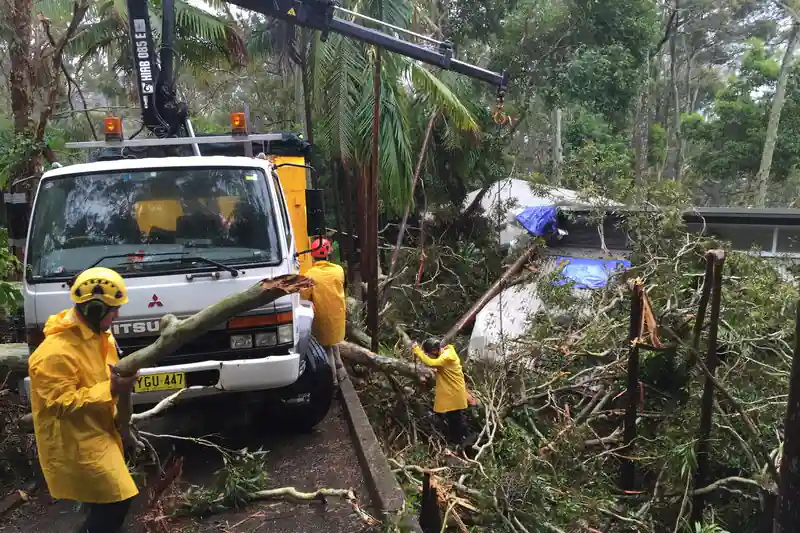
After storms, some trees lose the very branches that kept their shape balanced. If a tree has large torn limbs, hanging branches, or a canopy that is suddenly lopsided, pruning alone may not restore stability.
They should call a removalist when damage affects the main scaffold limbs or the leader. A clean pruning cut is helpful, but only if the remaining structure is sound.
Are there signs of root failure or severe root damage?
Roots are the tree’s foundation, and serious root problems can make the whole tree unsafe. If excavation, trenching, driveway works, or new landscaping has cut major roots, the risk can rise sharply.
They should be wary of fungi near the base, soft ground that feels hollow, or repeated canopy thinning despite watering. If the root system is compromised, removal may be safer than repeated corrective pruning. Check out more about tree health, root and insect management.
Is the tree too close to buildings, power lines, or high-use areas?
If a tree is positioned so that failure would impact a home, garage, fence, or a frequently used area, the risk threshold is lower. Pruning can reduce overhang, but it cannot change where the tree would land if it fails.
They should call a removalist when clearance pruning becomes constant and the tree keeps outgrowing the space. This is especially true where branches interact with service lines, roofs, or gutters.
Is the tree hollow, rotten, or affected by decay fungi?
Decay reduces the strength of wood, sometimes dramatically, even when the outside looks fine. A hollow trunk, cavities, soft patches, fungal brackets, or chronic oozing can all indicate internal breakdown.
Pruning can lighten the canopy, but it does not remove decay that is already in the trunk or major unions. If the remaining sound wood is insufficient, a removalist may recommend taking the tree out.
Is the tree dropping large limbs without warning?
Sudden limb drop is a serious hazard, particularly in warm weather or after prolonged drought stress. If large branches are falling without obvious storms, the tree may be under structural or physiological stress.
Pruning might reduce the likelihood of further failures, but repeated unpredictable drops can point to deeper problems. In those cases, they should get a removal-focused assessment, not just a trim.
Is it an unsuitable species for the location?
Some trees become liabilities simply because they are the wrong tree in the wrong place. Fast-growing species, aggressive rooters near pipes, or trees that routinely outgrow small gardens can turn pruning into an endless cycle.
If the tree requires heavy reduction every year, it may never develop a stable form. They should consider removal and replacement with a better-suited species rather than ongoing drastic pruning.
Would pruning require topping or extreme cuts to “make it work”?
If the only way to solve the problem is topping, lopping, or severe reduction, removal is often the better option. Harsh cuts can trigger weak regrowth, sunburn on exposed limbs, and long-term decline.
They should be cautious of anyone suggesting aggressive topping as a “quick fix”. If the tree cannot be managed with proper arboricultural pruning, a removalist can advise on safer alternatives.
Is the tree causing property damage that pruning cannot prevent?
When roots lift paving, damage retaining walls, block drains, or undermine foundations, pruning the canopy does not address the cause. Root pruning is limited, can destabilise the tree, and is not always possible without increasing risk.
If damage is ongoing and the tree cannot be managed without worsening the hazard, removal may be the only practical solution. They should also consider whether replacement planting can deliver shade without the same impacts.
What should they do before deciding on removal?
They should start with a qualified inspection, especially for large trees or anything near targets like homes and driveways. A reputable professional will explain whether pruning, bracing, or staged reduction could work, or whether removal is the safest option.
They should also check local council rules and any protected tree controls before work begins. Good removalists will typically help them understand approval requirements and suitable replacement options.
What is the simplest rule of thumb?
If the goal is health, clearance, or shape, pruning is usually enough. If the goal is safety because the tree is failing, dead, structurally compromised, or cannot be kept within the site constraints without extreme cuts, they should call a tree removalist.
Related : Top 10 Benefits Of Tree Lopping Sydney For Property Safety
FAQs (Frequently Asked Questions)
When should I choose tree removal over pruning?
Tree removal is the safest option when a tree is dead, structurally compromised, unsafe, or likely to fail. While pruning reduces risk and improves health, it cannot fix major issues like a failing trunk, severe root damage, or extensive decay. If a tree poses a hazard that cannot be managed through trimming, calling a qualified tree removalist is recommended.
How can I tell if a tree is structurally compromised and needs removal?
Signs of structural compromise include major cracks or splits in the trunk, deep bark separation, leaning that worsens over time, exposed or damaged roots, and internal decay such as hollow trunks or fungal growth. These issues affect the tree’s load-bearing capacity and stability. Pruning may reduce canopy weight but cannot repair these defects; removal is often necessary to eliminate safety risks.
Can pruning fix trees damaged by storms or leaning trees?
Pruning can help reduce sail in the canopy and remove broken branches after storms, but it cannot stabilise trees that are leaning due to root plate movement or restore balance if main scaffold limbs are lost. When storm damage affects key structural limbs or the leader, or when soil lifting and root exposure occur, it’s safer to consult a removalist rather than rely solely on pruning.
Is it safe to keep a hollow or decayed tree with regular pruning?
No. Hollow trunks, cavities, decay fungi, soft patches, and fungal brackets indicate internal wood breakdown that weakens the tree significantly. While pruning can lighten the canopy, it does not eliminate internal decay. If insufficient sound wood remains to support the tree safely, removal is usually advised to prevent hazards.
What role do location and species suitability play in deciding between pruning and removal?
Trees planted too close to buildings, power lines, or high-use areas require careful consideration because failure could cause property damage or injury. Unsuitable species that grow aggressively or have invasive roots may need constant heavy pruning without achieving stability. In such cases, removal and replacement with better-suited species are often more practical than ongoing drastic pruning.
What steps should I take before deciding on removing a tree?
Begin with a qualified inspection by an experienced arborist who can assess whether pruning, bracing, staged reduction, or removal is appropriate. Check local council regulations and any protected tree controls before proceeding. Good removalists will assist in understanding approval requirements and recommend suitable replacement planting options to ensure safety and compliance.