
This guide explains what arborists do for residential properties, when to call them, and how to choose the right provider.
What do arborist services in Sydney typically include for homes?
Most reputable providers of arborist services Sydney offer a complete tree-care package, from assessment through to cleanup. They usually tailor the scope to the property, access, species, and risk level.
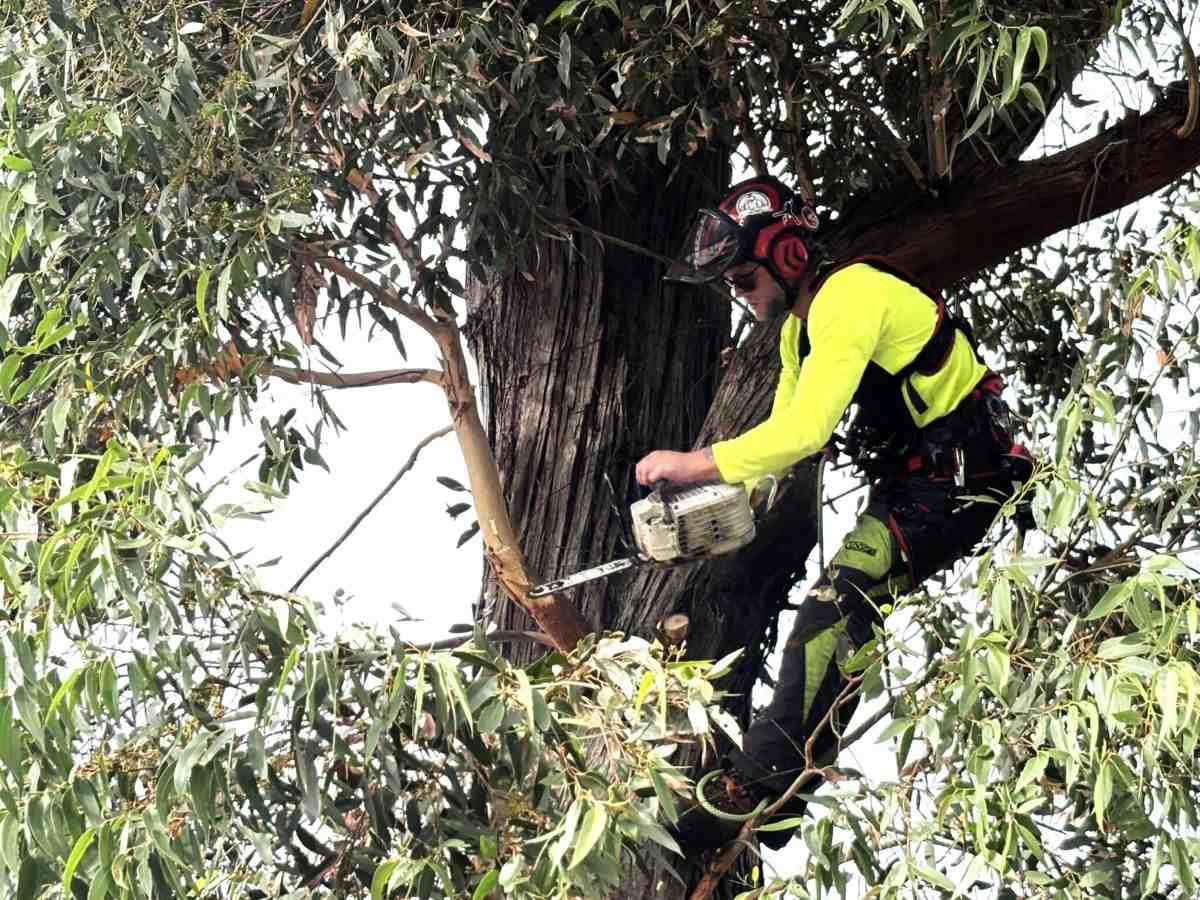
Common residential arborist services Sydney include tree health assessments, structural pruning, deadwood removal, tree removal, stump grinding, hedge reductions, cabling or bracing, storm-damage response, and advice on planting or species selection. Many also provide written reports for insurers, neighbours, or council applications.
When should a residential property call an arborist?
They should call an arborist when a tree shows signs of decline, becomes hazardous, or starts affecting structures or neighbours. Waiting often makes the work more expensive and increases the likelihood of damage.
Typical triggers include leaning trunks, large dead branches, fungal growth at the base, cracking, sudden leaf drop, branch failures after wind, roots lifting paving, limbs overhanging roofs, and trees conflicting with powerlines. They may also need an arborist before renovations or when disputes arise about boundary trees.
How do arborists assess tree health and safety?
They assess both biology and structure, not just appearance. A healthy-looking tree can still be unsafe if it has poor branch unions, internal decay, or root issues.
A standard assessment may include checking canopy density, dieback, pests, trunk cavities, included bark, root plate stability, soil condition, and past pruning wounds. If needed, they may recommend further investigation, such as targeted decay detection, or suggest a risk-based plan that prioritises the most urgent hazards first.
What pruning is best for residential trees in Sydney?
Good pruning reduces risk while preserving the tree’s natural form and long-term health. The goal is usually to remove dead, diseased, crossing, or overextended limbs without over-thinning or “topping.”
For many homes, arborists focus on clearance from roofs and gutters, balancing weight on long laterals, reducing sail area in wind-prone sites, and improving light without stripping the canopy. They also time pruning to the species and season, which helps reduce stress and disease entry.
When is tree removal the right option?
Removal is appropriate when a tree is unsafe, beyond recovery, or unsuitable for the site. They often recommend removal only after confirming pruning or treatment will not reduce the risk to an acceptable level.
Common reasons include major structural defects, severe decay, repeated limb failure, terminal decline, root damage affecting stability, or unacceptable conflict with buildings, pools, or underground services. In some cases, removals are chosen for insurance requirements or to resolve ongoing neighbour issues, but they still need to be done legally and safely.
What should homeowners know about council rules in Sydney?
Many Sydney councils regulate pruning and removal of certain trees, especially those above specific height or trunk size thresholds, or those listed as significant. Homeowners can face penalties if they remove or heavily prune protected trees without approval.
Arborists often help by identifying likely exemptions, preparing supporting evidence, and writing arborist reports for development applications or tree permits. They may also advise on replacement planting conditions, heritage constraints, and how to document risk if a tree is genuinely hazardous.
How do arborists manage trees near roofs, fences, and neighbours?
They usually start by clarifying ownership, access, and the exact pruning objective. The safest outcome often comes from a targeted plan rather than aggressive cutting.
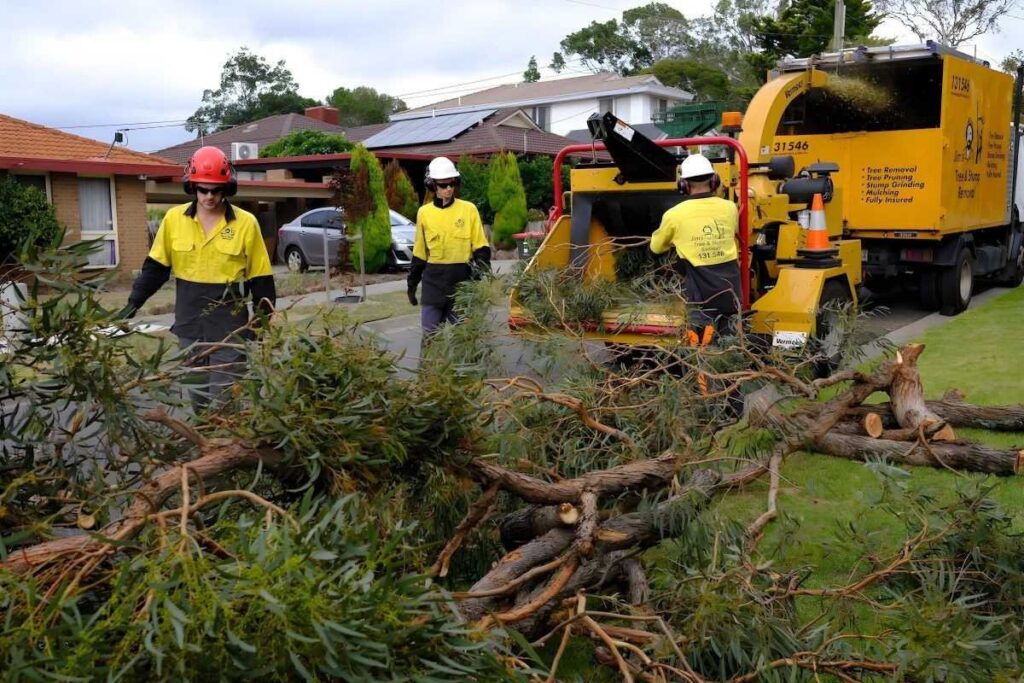
For overhang and clearance work, they may reduce specific limbs back to suitable growth points, remove deadwood, and maintain balanced canopy weight away from structures. Where neighbour access is required, reputable providers coordinate permission, protect gardens and paving, and remove all debris to reduce friction and prevent property damage claims.
Other Resources : Guide to using ecological thinning
What happens after storms or sudden branch failure?
After storms, arborists prioritise making the site safe, then address long-term stability. Quick cleanup alone can miss the defects that caused the failure.
They typically remove hanging branches, clear accessways, and check for trunk cracks, split unions, and root heave. If the tree can be retained, they may recommend corrective pruning and monitoring. If the risk remains high, they may recommend staged removal to prevent future failures during the next wind event.
How can homeowners choose the right arborist in Sydney?
They should choose an arborist who is qualified, insured, and transparent about methods and outcomes. Cheap quotes can hide risky practices, poor pruning, or incomplete cleanup.
A strong provider usually supplies a written quote, explains what cuts will be made and why, confirms council considerations, and outlines how they will protect lawns, gardens, and structures. They should also carry public liability insurance and be willing to share credentials and references for similar residential jobs.
What should they expect to pay for residential tree care?
Costs depend on access, tree size, complexity, disposal requirements, and whether permits or reports are needed. Two similar trees can price very differently based on rigging needs and risk level.
Homeowners can expect smaller pruning jobs to be far less than complex removals that require cranes, traffic control, or tight backyard rigging. The most accurate approach is to request an on-site assessment and compare like-for-like scopes, including stump grinding, green-waste removal, and site cleanup.
What is the simplest way to maintain trees long-term?
They should follow a simple cycle: inspect, prune lightly and correctly, and act early on hazards. Regular attention prevents expensive emergencies.
Many residential properties benefit from an annual or biennial check, seasonal gutter and roof clearance pruning when appropriate, and monitoring for pests, fungi, and soil compaction. When they keep records of past work and arborist advice, future decisions become faster, safer, and easier to justify if council or neighbours become involved.
Related : Stump Grinding Sydney: How It Prevents Regrowth and Pest Issues
FAQs (Frequently Asked Questions)
What services do arborists in Sydney provide for residential trees?
Arborists in Sydney offer comprehensive tree care for residential properties, including tree health assessments, structural pruning, deadwood removal, tree removal, stump grinding, hedge reductions, cabling or bracing, storm-damage response, and advice on planting or species selection. They also provide written reports for insurers, neighbours, or council applications.
When should homeowners in Sydney call an arborist for their trees?
Homeowners should call an arborist when a tree shows signs of decline or hazard such as leaning trunks, large dead branches, fungal growth at the base, cracking, sudden leaf drop, branch failures after wind, roots lifting paving, limbs overhanging roofs, or conflicts with powerlines. It’s also important before renovations or to resolve boundary tree disputes to prevent costly damage.
How do arborists assess the health and safety of residential trees?
Arborists assess both the biological health and structural integrity of a tree by examining canopy density, dieback, pests, trunk cavities, included bark, root plate stability, soil condition, and past pruning wounds. They may use targeted decay detection and develop risk-based plans prioritizing urgent hazards to ensure safety.
What is the best pruning approach for residential trees in Sydney?
Effective pruning focuses on reducing risk while preserving the tree’s natural form and health by removing dead, diseased, crossing or overextended limbs without over-thinning or topping. Pruning aims to clear roofs and gutters, balance limb weight in wind-prone areas, reduce sail area and improve light penetration timed appropriately by species and season.
When is tree removal necessary for residential properties?
Tree removal is appropriate when a tree is unsafe due to major structural defects, severe decay, repeated limb failure, terminal decline or root damage affecting stability. Removal may also be needed if the tree conflicts with buildings or underground services or for insurance requirements and neighbour disputes but must always comply with legal regulations.
What should Sydney homeowners know about council regulations on tree pruning and removal?
Many Sydney councils regulate pruning and removal of certain protected trees based on height or trunk size thresholds. Homeowners may face penalties if they remove or heavily prune these trees without approval. Arborists assist by identifying exemptions, preparing evidence and reports for permits or development applications while advising on replacement planting and heritage constraints.