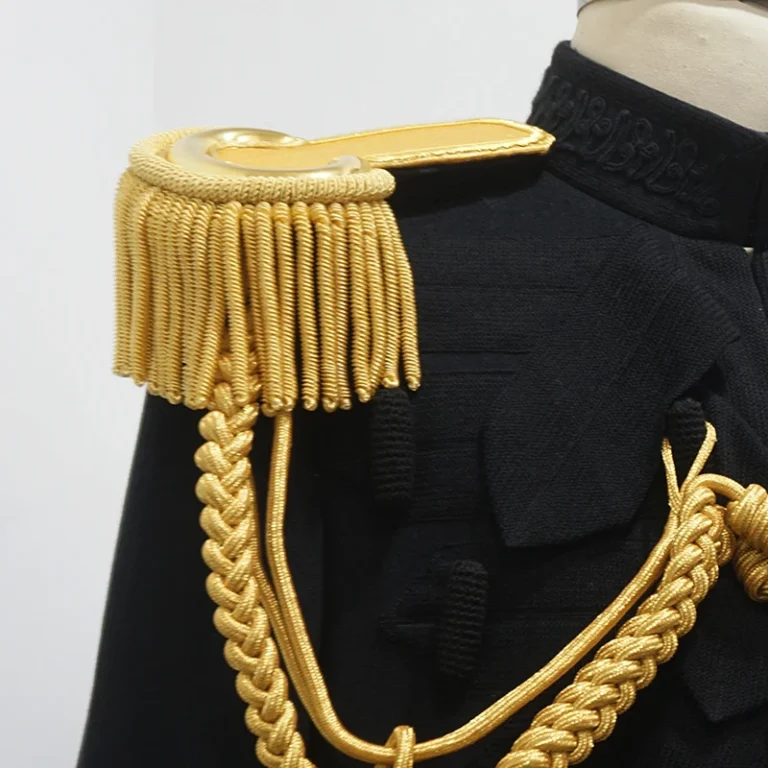
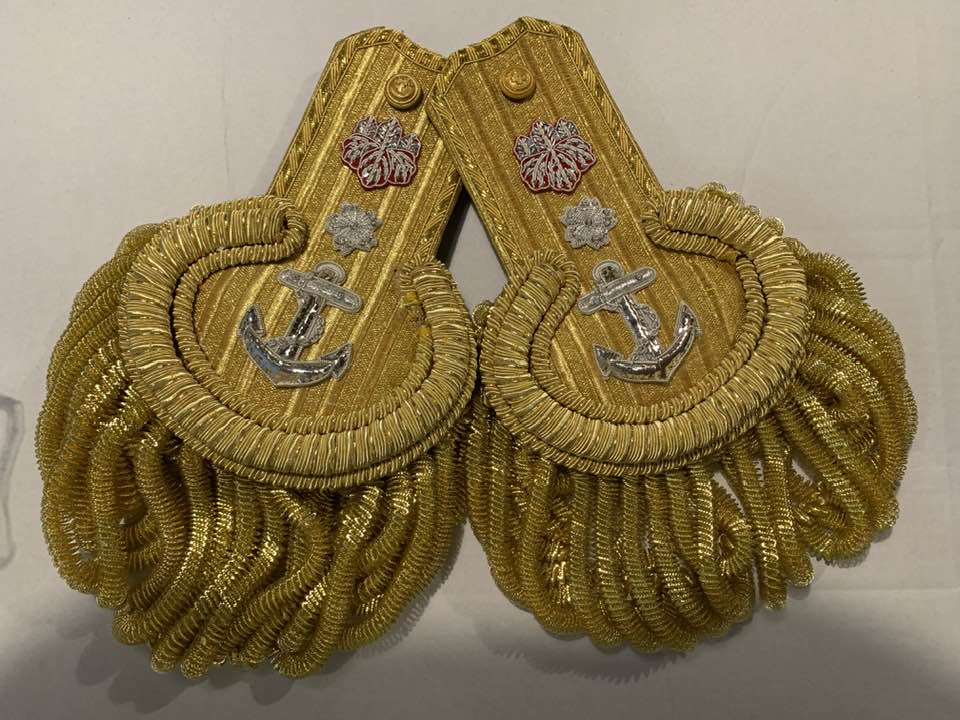
For brands that rely on trust, service, or safety, epaulettes remain one of the clearest, quickest visual cues available.
What do epaulettes communicate instantly?
Epaulettes are still relevant because they communicate rank, responsibility, and belonging in a single glance. That speed matters in busy environments where people do not have time to read name badges or signage.
They also communicate order. When someone’s role is visually clear, customers feel more confident about who to approach and who is in charge.
Why do brands still need symbols of authority?
They need them because trust is often built before a word is spoken. Visual authority reduces uncertainty, especially in places where rules, safety, or high stakes are involved.
Epaulettes help the wearer look “official” without relying on aggressive design. They create a calm, structured impression that fits service-led brands.
How do epaulettes support brand consistency?
They standardise appearance across teams and locations. That consistency is a core branding goal because it makes an organisation feel reliable and well managed.
Epaulettes also create a repeatable template for hierarchy. When the visual system is simple, brands can scale teams without constantly redesigning uniforms.
Why are epaulettes effective in customer-facing environments?
They reduce friction by making it obvious who can help. In retail, hospitality, transport, and security settings, customers often judge competence based on visual signals.
They also reduce awkward interactions. People are less likely to interrupt the wrong person when role markers are clear.
How do epaulettes influence perceived professionalism?
They add structure to a silhouette, making a uniform look sharper and more intentional. That “finished” look can raise perceived standards, even when the rest of the uniform is simple.
They also signal discipline. Brands that want to appear organised often benefit from details that feel intentional rather than decorative.
What makes epaulettes useful for internal culture and identity?
They give teams a visible sense of progression. When roles are marked clearly, people can see pathways and status without endless explanation.
They also create shared identity. Wearing the same visual language reinforces that they are part of a unit, not just individuals in similar clothes.
How are modern brands updating epaulettes to feel current?
They are simplifying them. Modern epaulettes often use subtle stitching, minimal colour contrast, or clean Velcro and tab designs rather than ornate trim.
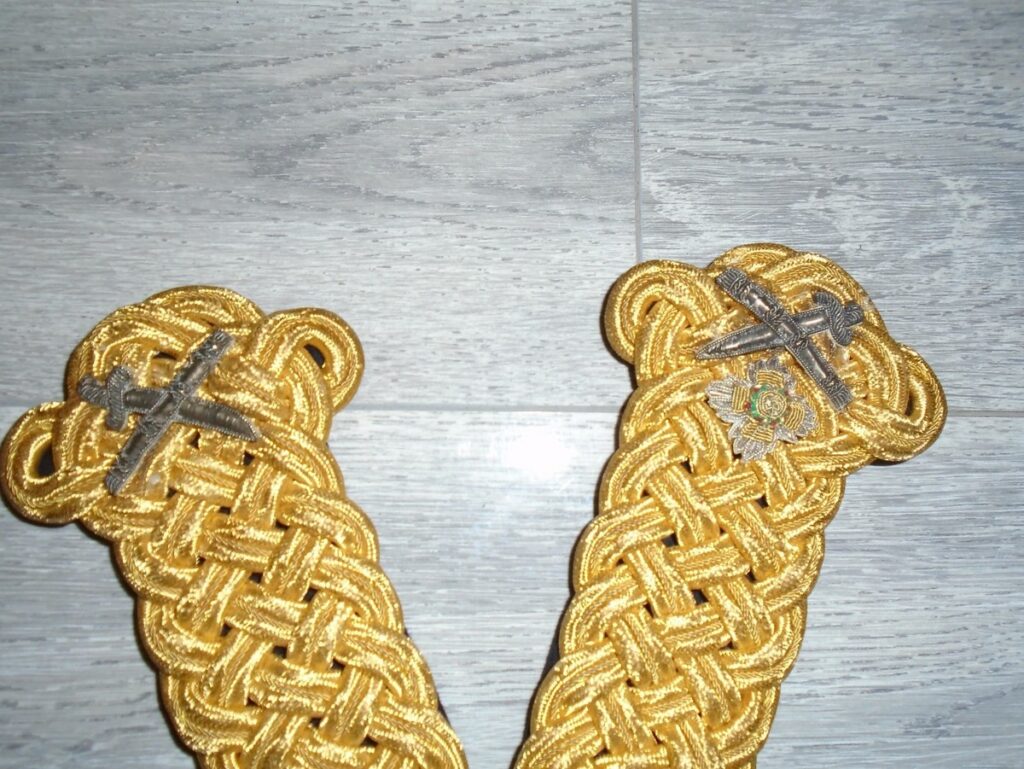
They are also aligning them with brand palettes. Instead of traditional gold or bright stripes, brands might use muted tones that match their wider identity system. Learn more about how custom epaulettes add authority to uniform design.
When can epaulettes be a branding mistake?
They can feel performative if the brand has no need for visible hierarchy. If the service model is informal or peer-to-peer, epaulettes can create unwanted distance.
They can also confuse if the ranking system is unclear. If stripes do not map to real responsibilities, customers and staff may read the signals incorrectly.
What should a brand consider before adding epaulettes?
They should start with the customer journey and ask where clarity matters most. If people need to identify authority quickly, epaulettes can be a strong solution.
They should also match design to context. The best approach is usually minimal, consistent, and tied to a real role structure, so the detail supports the brand instead of overpowering it.
FAQs (Frequently Asked Questions)
What do epaulettes instantly communicate in a professional setting?
Epaulettes instantly communicate rank, responsibility, and belonging at a glance, providing quick visual cues in busy environments where there isn’t time to read name badges or signage.
Why are symbols of authority like epaulettes still important for brands today?
Symbols of authority such as epaulettes remain important because they build trust before a word is spoken, reduce uncertainty, and create a calm, structured impression that aligns well with service-led and safety-focused brands.
How do epaulettes contribute to brand consistency across teams and locations?
Epaulettes standardise appearance across teams and locations, reinforcing reliability and good management. They also provide a repeatable visual hierarchy template that helps brands scale their teams without needing constant uniform redesigns.
In what ways do epaulettes improve customer interactions in service environments?
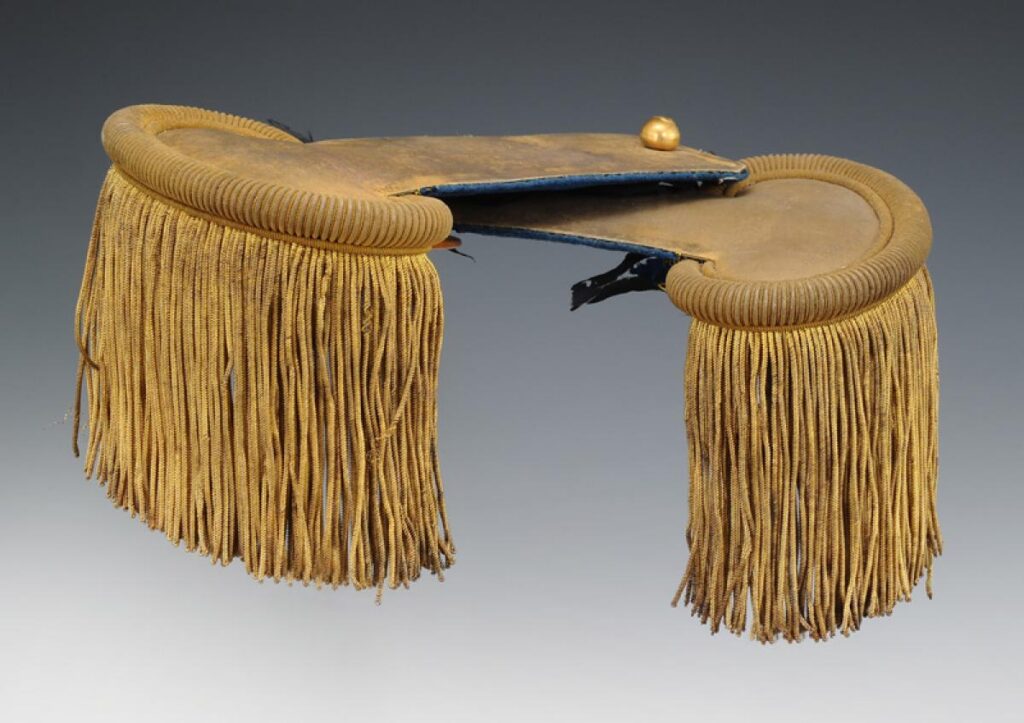
Epaulettes reduce friction by clearly indicating who can assist customers, thereby enhancing confidence and reducing awkward interruptions. This clarity is especially valuable in retail, hospitality, transport, and security settings where competence is often judged by visual signals.
How do epaulettes influence the perceived professionalism of a brand’s uniform?
By adding structure and sharpness to a uniform silhouette, epaulettes give a finished look that elevates perceived standards. They also signal discipline and organisation, helping brands appear intentional rather than decorative.
What should brands consider before incorporating epaulettes into their uniforms?
Brands should assess the customer journey to determine where clarity of authority is crucial. Epaulettes work best when minimalistic, consistent, and aligned with actual role structures to support the brand without overwhelming it. They may not suit informal or peer-to-peer service models where visible hierarchy could create unwanted distance.