Below are ten practical, safety-led benefits, focused on what changes after the work is completed.
Why does tree lopping reduce the risk of falling branches?
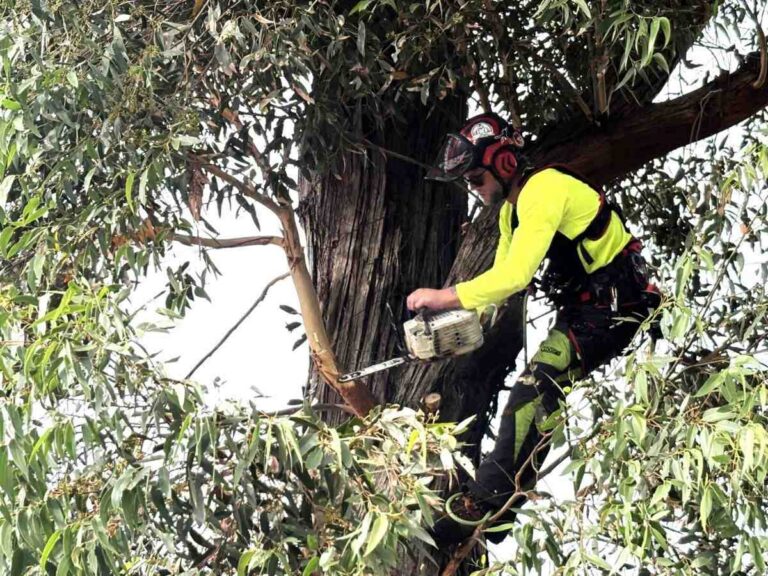
Tree lopping reduces weight, removes weak limbs, and lowers the chance of sudden branch drop. That matters in Sydney where wind, heat stress, and heavy rain can expose hidden defects.
Professionals typically target deadwood, cracked unions, over-extended limbs, and branches with poor attachment angles. Removing those failure points can prevent property damage and injuries, especially in high-use areas like driveways, paths, pools, and play spaces.
How can tree lopping protect roofs, gutters, and solar panels?
Arborist services Sydney include lopping to create clearance between the canopy and the building, reducing direct contact and impact during wind. This helps prevent cracked tiles, dented metal roofing, and damage caused by branches scraping surfaces.
With professional arborist services Sydney, leaf litter and small twigs are also reduced in gutters and valleys. Fewer blockages mean less overflow and a lower chance of water entering eaves during downpours, which can lead to rot, mould, and internal ceiling stains.
How does it help prevent storm damage in Sydney’s weather?
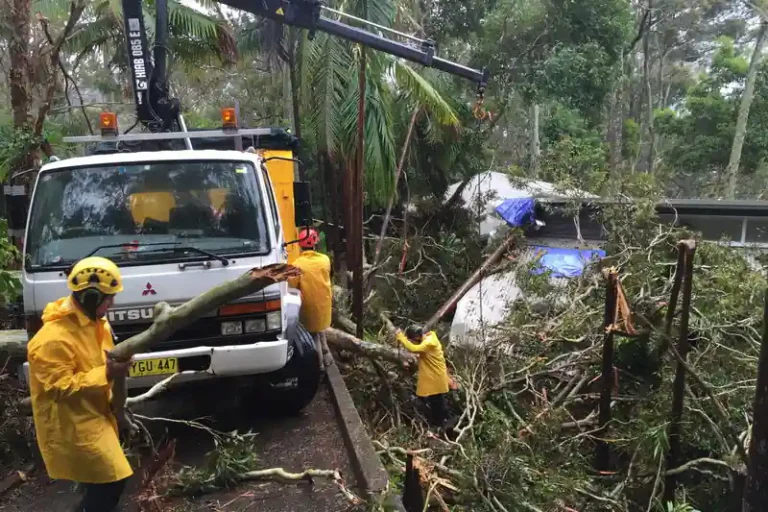
It reduces wind load by thinning dense canopies and shortening over-extended limbs. A balanced canopy catches less wind, which lowers the chance of whole-limb failure and reduces leverage on the trunk and root plate.
Sydney storms can be sudden, and saturated ground can weaken root stability. By reducing top weight, lopping can lessen the stress that makes trees lean, lift paving, or fail at the base during extreme weather.
Can tree lopping lower the chance of trees hitting cars, sheds, and fences?
Yes, because it removes limbs that overhang hard targets and reduces the fallout zone. Overhanging branches are a common cause of dented panels, smashed windscreens, and broken fence palings.
This is especially relevant where parking is close to boundary lines or under canopies. Strategic clearance above garages, sheds, pergolas, and carports also reduces the likelihood of collapse damage if a branch fails.
How does tree lopping improve clearance from powerlines and reduce fire risk?
It creates safer separation from service lines and reduces the chance of branches contacting wires in high winds. Contact can cause outages, arcing, or damaged connections, which may lead to urgent repairs and safety hazards.
In drier periods, reducing deadwood and managing overhang near structures also supports safer property conditions. While lopping is not a substitute for broader bushfire planning, it is a practical step that can reduce fuel load close to the home. Visit https://www.nsw.gov.au/housing-and-construction/safety-home to learn more about safety in the home.
Why is visibility and security better after lopping?
It opens sightlines by lifting low branches and thinning dense growth. That makes driveways, entrances, and pathways easier to see, especially at night with external lighting.
From a security perspective, overgrown trees can provide cover near windows, side gates, and garages. By reducing concealment spots and improving passive surveillance, lopping can support safer access and deter opportunistic behaviour.
How can it reduce trip hazards and improve safe access around the property?
It can limit the constant drop of branches, seed pods, and debris that create slippery surfaces. This is particularly important around stairs, decks, pool surrounds, and frequently used footpaths.
Lopping can also prevent branches from obstructing walkways or forcing people to duck under low growth. Clear access routes reduce the chance of falls and make the property easier to navigate for children, visitors, and older residents.
Does lopping help prevent pest problems that affect safety?
It can, because dense canopies and touching branches create bridges to roofs and cavities. Rodents may use overhanging limbs to reach eaves, and some insects thrive where deadwood and damp leaf build-up accumulate.
By improving airflow and reducing contact with the structure, lopping makes the tree less attractive as a direct route into buildings. It also makes inspections easier, which helps owners spot nests, hollows, or damage sooner.
How can tree lopping support healthier trees and reduce future hazards?
It removes diseased, dead, or structurally poor growth that can spread decay or weaken the tree. A healthier structure generally means fewer surprise failures.
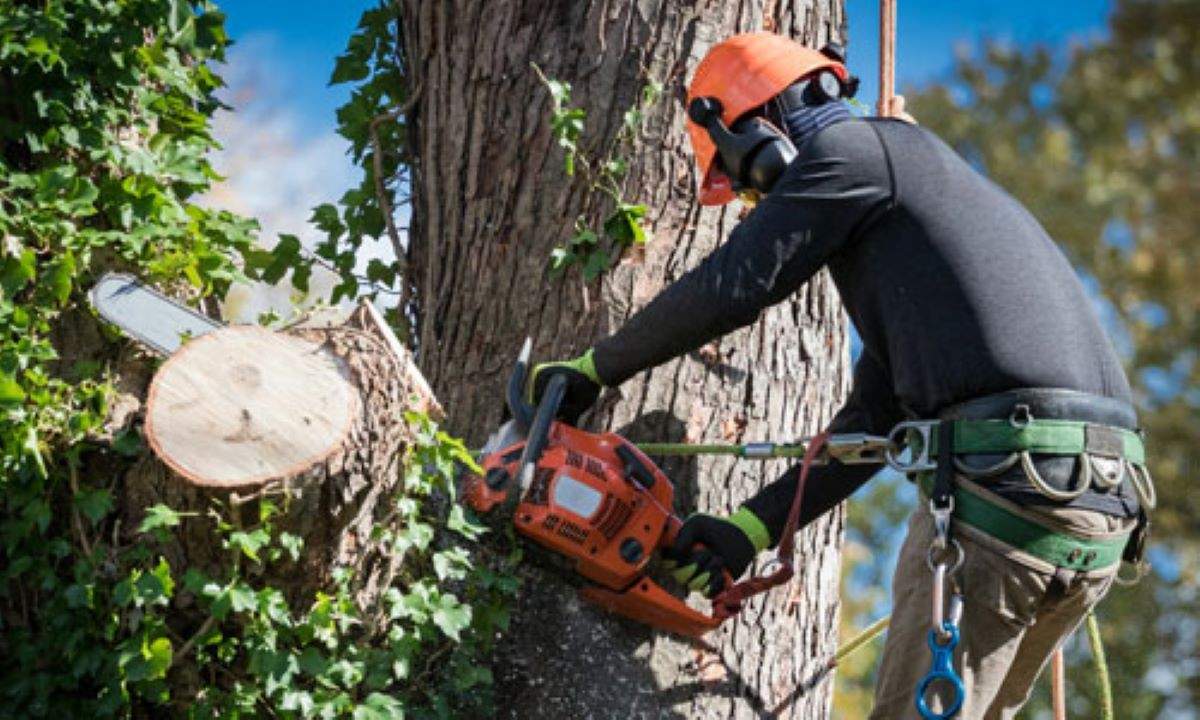
However, poor or excessive lopping can do the opposite by creating weak regrowth and large wounds. For safety outcomes, they should use proper cuts, avoid topping, and aim for a balanced canopy that the tree can maintain without producing unstable shoots.
Why can proactive lopping be cheaper than emergency callouts and repairs?
Because planned work reduces the likelihood of urgent removals, insurance claims, and building repairs. A single fallen limb can cost far more than routine maintenance once they factor in roof repairs, fence replacement, or vehicle damage.
Proactive lopping also allows scheduling in calmer conditions, rather than during storms when access is harder and hazards are higher. For many properties, a regular inspection cycle is the simplest way to keep risk predictable and costs controlled.
What should they look for before booking tree lopping in Sydney?
They should look for clear evidence of safe work practices and genuine arborist expertise, not just “cut and go” services. The goal is risk reduction without creating new structural problems.
As a rule, they should request an on-site assessment, ask what branches are being removed and why, and ensure the plan prioritises structure, clearance, and long-term stability. If the tree is near power lines or boundaries, they should also check for any required approvals and coordination.
More to Read : When Should You Call A Tree Removalist Instead Of Pruning
FAQs (Frequently Asked Questions)
Why is tree lopping considered a crucial safety measure in Sydney?
Tree lopping in Sydney is essential for safety as it reduces the risk of falling branches that can damage roofs, fences, vehicles, power lines, and pose hazards to people. Proper lopping targets weak limbs and deadwood to prevent sudden branch failure, especially during seasonal storms and harsh weather conditions.
How does tree lopping protect my property’s roof, gutters, and solar panels?
By creating clearance between the tree canopy and your building, tree lopping minimises direct contact during windy conditions. This prevents cracked tiles, dented metal roofing, and damage from scraping branches. It also reduces leaf litter in gutters, preventing blockages that can cause water overflow, rot, mould, and internal ceiling stains.
In what ways does tree lopping help prevent storm damage in Sydney’s unpredictable weather?
Tree lopping thins dense canopies and shortens over-extended limbs to reduce wind load on trees. A balanced canopy catches less wind, lowering the chance of limb failure and reducing stress on the trunk and roots. This mitigation helps prevent trees from leaning, lifting paving, or failing at the base during storms with saturated ground.
Can tree lopping reduce the likelihood of trees damaging cars, sheds, or fences?
Yes. Tree lopping removes limbs that overhang hard targets like vehicles and fences, reducing the fallout zone where branches might fall. Strategic clearance above garages, sheds, pergolas, and carports decreases the risk of collapse damage if a branch fails.
How does tree lopping improve safety around power lines and reduce fire risks?
Lopping creates safer separation between branches and power lines to prevent contact during high winds that can cause outages or arcing. Removing deadwood and managing overhang near structures also lowers fuel load close to homes during dry periods, supporting safer property conditions though it should be part of broader bushfire planning.
What should I consider before booking a tree lopping service in Sydney?
Ensure the service demonstrates safe work practices with genuine arborist expertise focused on risk reduction without causing structural problems. Request an on-site assessment detailing which branches will be removed and why. Confirm the plan prioritises canopy structure, clearance, long-term stability, and check for any necessary approvals if trees are near power lines or boundaries.